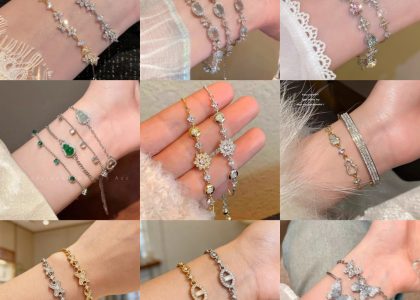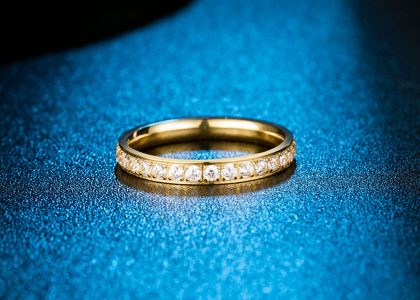

Finish quality drives repeat purchases more than almost any other factor in fashion jewelry. Two common options are PVD coating and traditional electroplating, and they behave very differently once the piece reaches the customer.
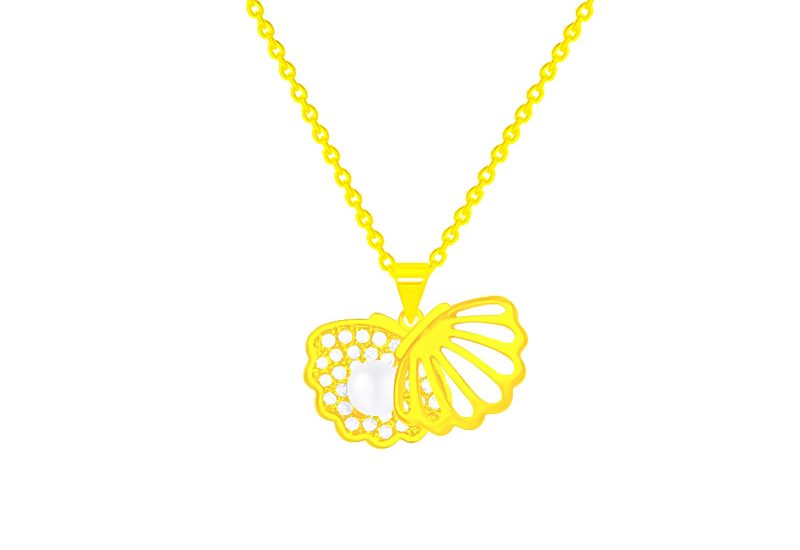
How Each Process Works
Electroplating deposits a thin metal layer onto the surface using an electric current in a chemical bath. PVD, or physical vapour deposition, bonds the coating at a molecular level in a vacuum chamber, creating a harder surface. PVD lines cost more to run but produce a finish that resists abrasion better.
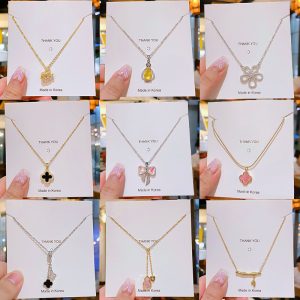
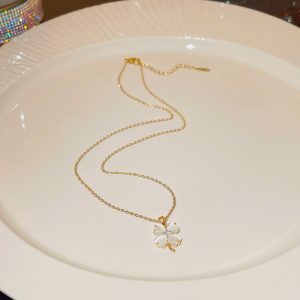
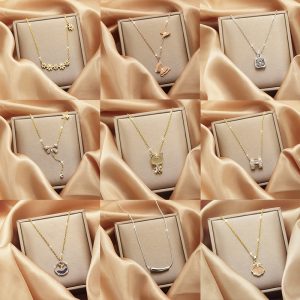
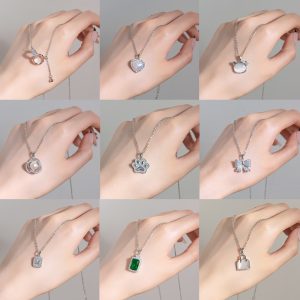
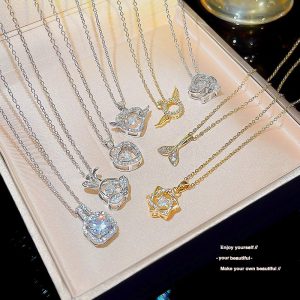
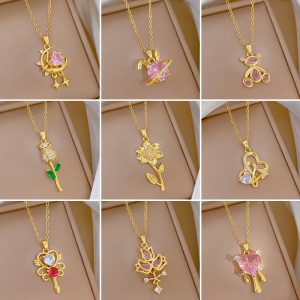
Explore related styles in our necklaces range.
Durability Differences
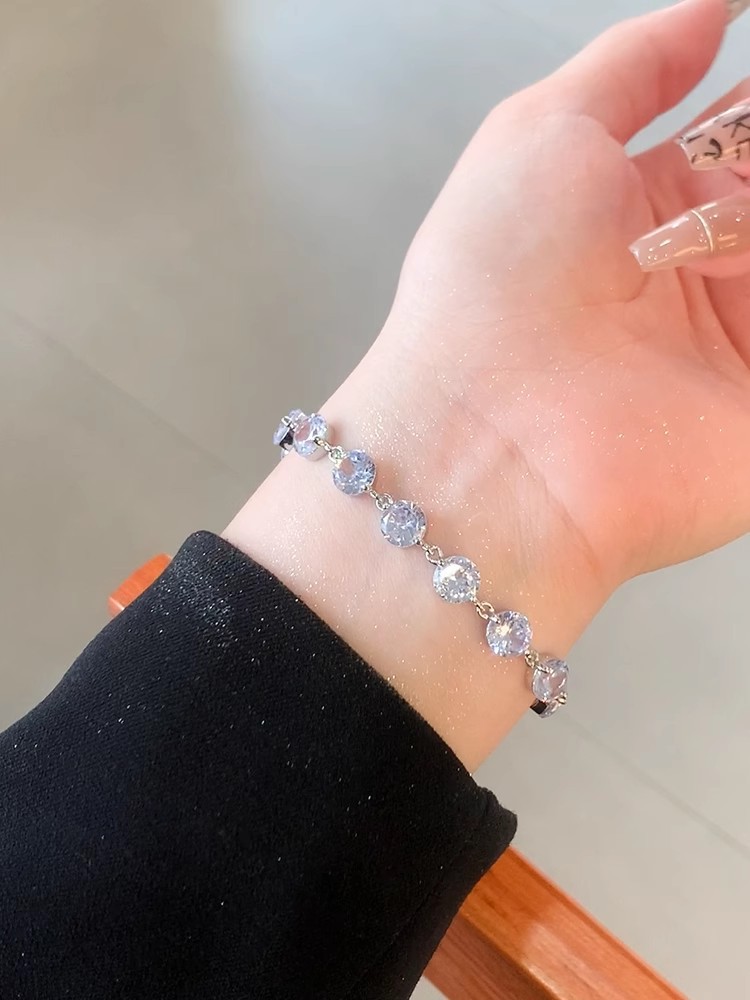
PVD-coated pieces typically keep their colour several times longer than standard electroplating under daily wear. Electroplated items may show wear at contact points such as ring shanks and clasp edges first. Both finishes benefit from avoiding perfume, chlorine and abrasive cleaning.
Explore related styles in our bracelets range.
Choosing by Market Position
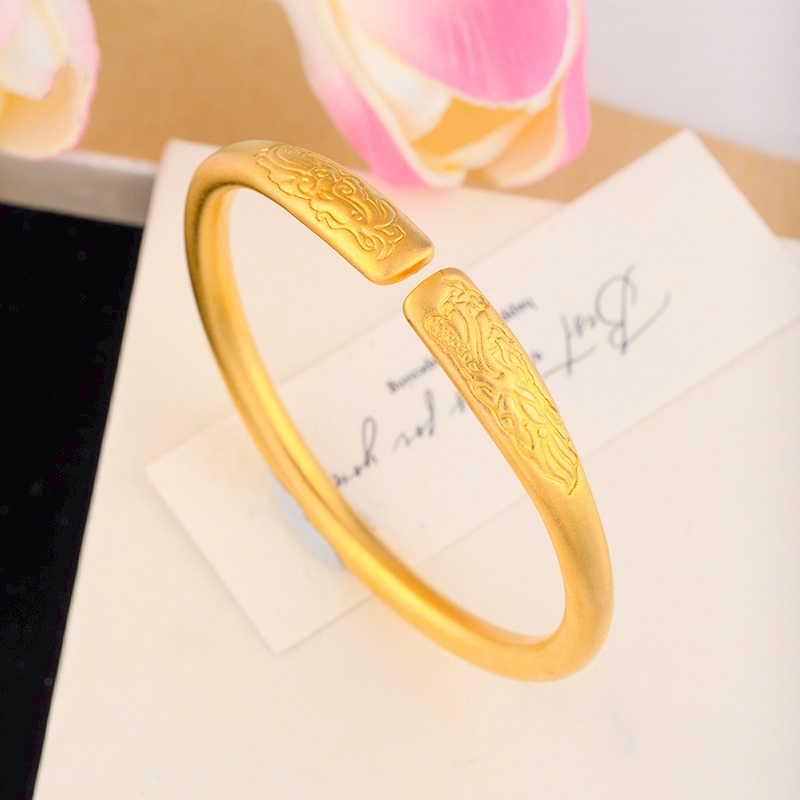
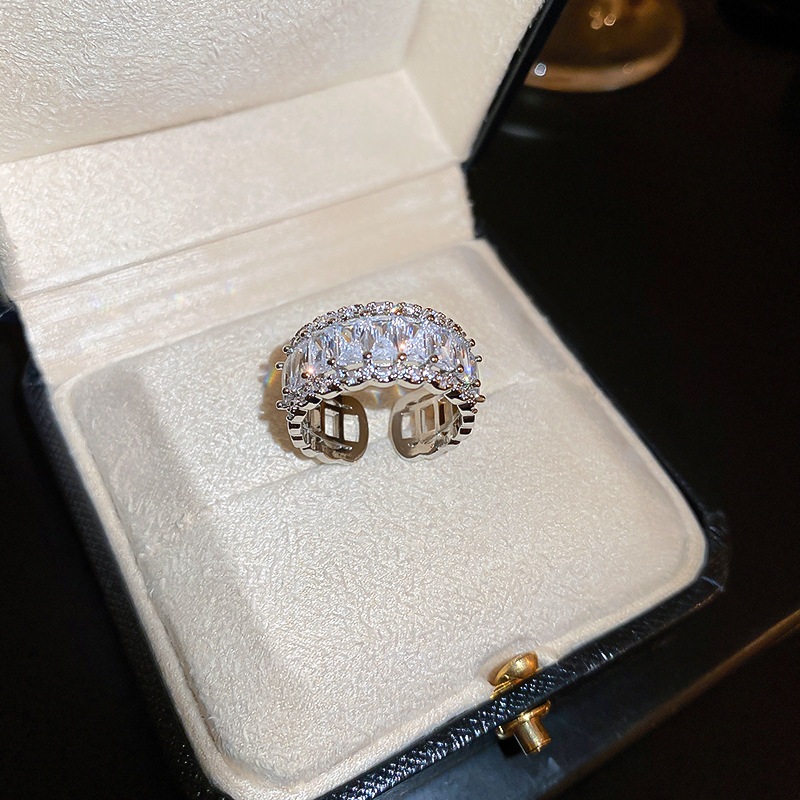
Use PVD for premium lines, men’s pieces and anything marketed for everyday wear. Use electroplating for trend-driven, seasonal pieces where colour variety matters more than lifespan. Ask your supplier which finish each style uses, then set customer expectations accordingly.
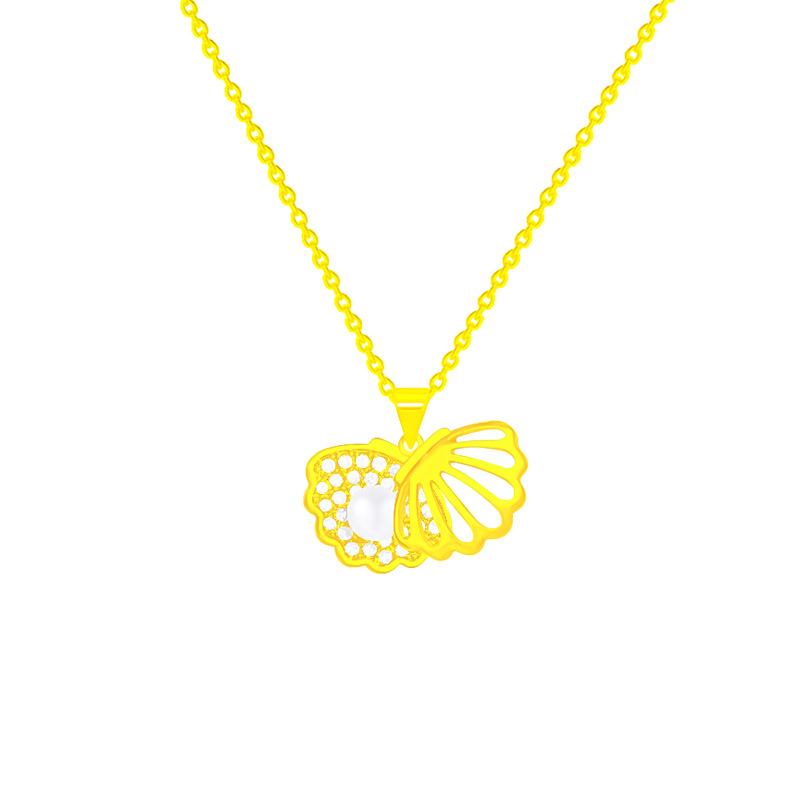
Explore related styles in our necklaces range.
Continue reading: Is Stainless Steel Jewelry Hypoallergenic? What Buyers Should Know, Does Stainless Steel Jewelry Tarnish or Rust?, Titanium Steel Jewelry: Weight, Comfort and Everyday Durability.
Ready to build your assortment? Browse necklaces and request a quote — our team confirms material, wholesale quantity and lead time before production.